Su Song (1020–1101), Northern Song official and scholar, edited the illustrated pharmacopoeia Bencao tujing, directed the building of the astronomical clock tower at Kaifeng, described it in the Xin Yixiang Fayao, and became chief minister in 1092.
Calendar-makers' reckonings differ slightly, some running fast and some slow. If the solar term falls in the hour hai, it is still this evening; a few quarters later it falls in the hour zi and belongs to tomorrow. Earlier or later, let each follow its own calendar.
—— Song shi (History of the Song, 1345), ch. 340, biography of Su Song: his answer when the Liao asked whose winter solstice was right
History
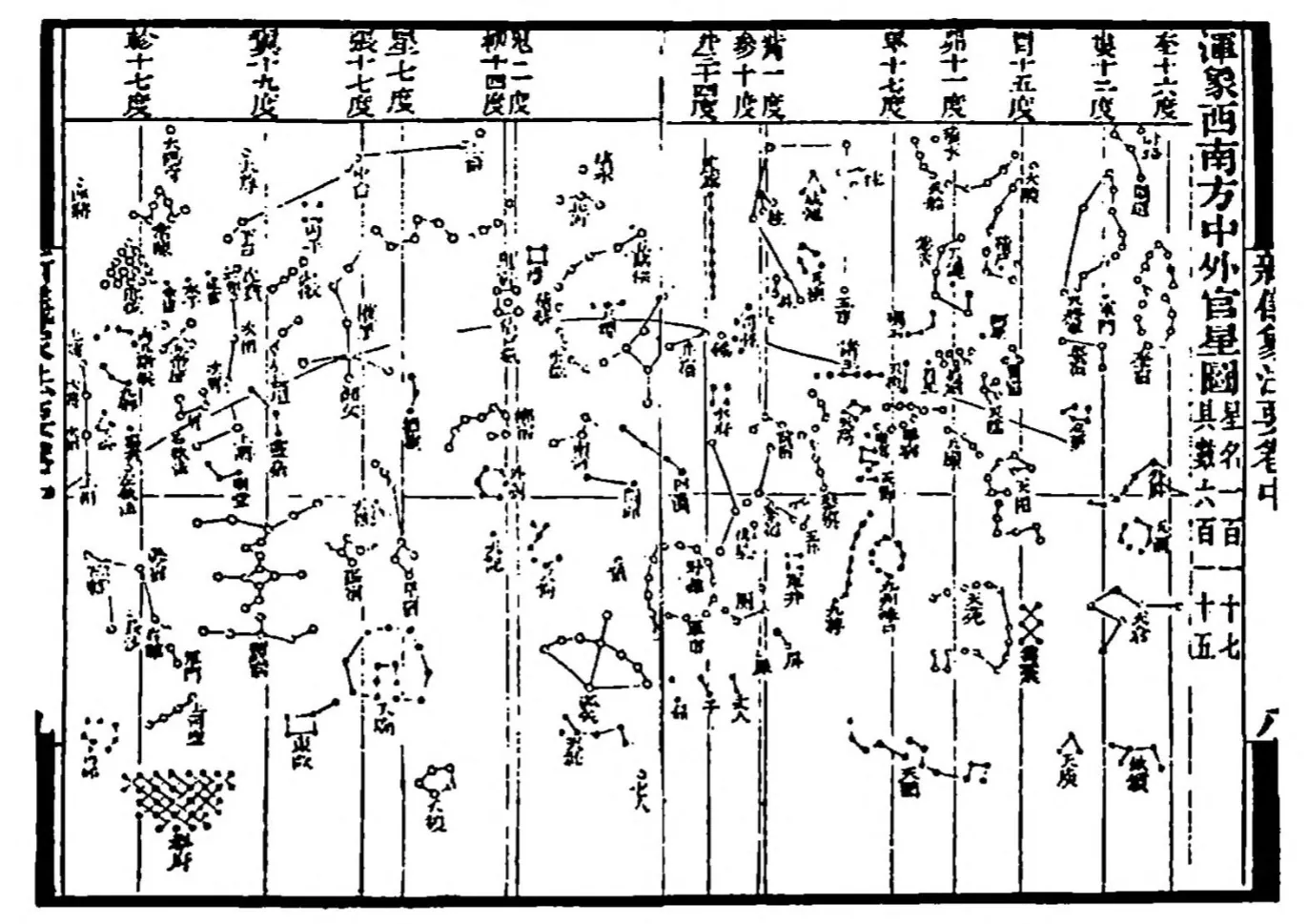
Su Song came from Quanzhou (his family later settled in Runzhou) and passed the jinshi examination in 1042. After local posts he spent nine years collating texts in the imperial libraries. When the court had every prefecture draw and send in its local medicinal substances, he edited the results into the Bencao tujing (Illustrated Pharmacopoeia), completed in 1061 in twenty chapters; it is lost, but much survives in later compendia. On an embassy to the Liao in 1077 he arrived at the winter solstice and found the Liao calendar a day behind the Song one. Asked which was right, he answered that a solar term falling just before or after midnight lands on different days, so each side might keep its own reckoning; Emperor Shenzong praised the answer. In late 1086 he was ordered to evaluate the court's old and new armillary spheres. He recommended Han Gonglian, a clerk in the Ministry of Personnel versed in the mathematics of the Nine Chapters, who drafted a treatise and a wooden model of the mechanism; Su organized craftsmen and astronomers, checked the design against ancient methods and reported to the throne. The clock tower was finished in 1092, the year he became chief minister; he left office in 1093. By imperial order he described every component, with star maps, in the illustrated Xin Yixiang Fayao (mid-1090s). He died in 1101. His colleague Shen Kuo also rebuilt armillary spheres, water clocks and gnomons.
Connections
Consequences1
- Su Song's Astronomical Clock TowercontributedDirected its construction and described it in the Xin Yixiang Fayao
Echoes1
- Shen KuoechoesFellow officials of the Song court, both expert in astronomical instruments
Sources
- 脱脱等, 宋史·苏颂传(卷三百四十) (1345)
- 苏颂, 新仪象法要(四库全书本,含《进仪象状》) (约1094—1096)
- Joseph Needham, Wang Ling and Derek J. de Solla Price, Heavenly Clockwork: The Great Astronomical Clocks of Medieval China (1960)
Open questionspartly uncertain
- The History of Song gives his native place as Nan'an in Quanzhou, but it is now usually given as Tong'an.
- His embassy to the Liao is conventionally dated to 1077; his biography in the History of Song gives no year.
- The Xin Yixiang Fayao was completed between 1094 and 1096; the exact year is unknown.
- The division of work between the mechanical design and the organization of the project rests on Su Song's own memorial to the throne.
Why it matters
Su Song's legacy to the history of technology lies in organization and record more than in invention. The clock tower's mechanism was Han Gonglian's design; Su's contribution was to find a junior clerk with the right mathematics, assemble astronomers, craftsmen and students in a special bureau, and insist on a cautious sequence: a small model, a full-size wooden one, trials by day and night, and only then bronze. Both his books are led by pictures. The Bencao tujing gathered drawings of drugs from the whole empire; the Xin Yixiang Fayao drew and named each part of the machine, in the Song habit of turning technical knowledge into illustrated manuals. His career also shows the setting of Song science. Astronomical instruments belonged to court ritual and the authority of the calendar and were run by scholar-officials; that brought resources, and it tied the work to the fortunes of factions.