King of Macedon (356–323 BCE). From 334 BCE he conquered the Persian Empire as far as the Indus and founded Alexandria in Egypt in 331. His empire split at his death, and Greek language and learning spread across the Near East.
And since he thought and called the Iliad a viaticum of the military art, he took with him Aristotle's recension of the poem, called the Iliad of the Casket, and always kept it lying with his dagger under his pillow, as Onesicritus informs us.
—— Plutarch, Life of Alexander 8.2, trans. Bernadotte Perrin (Loeb, 1919)
History
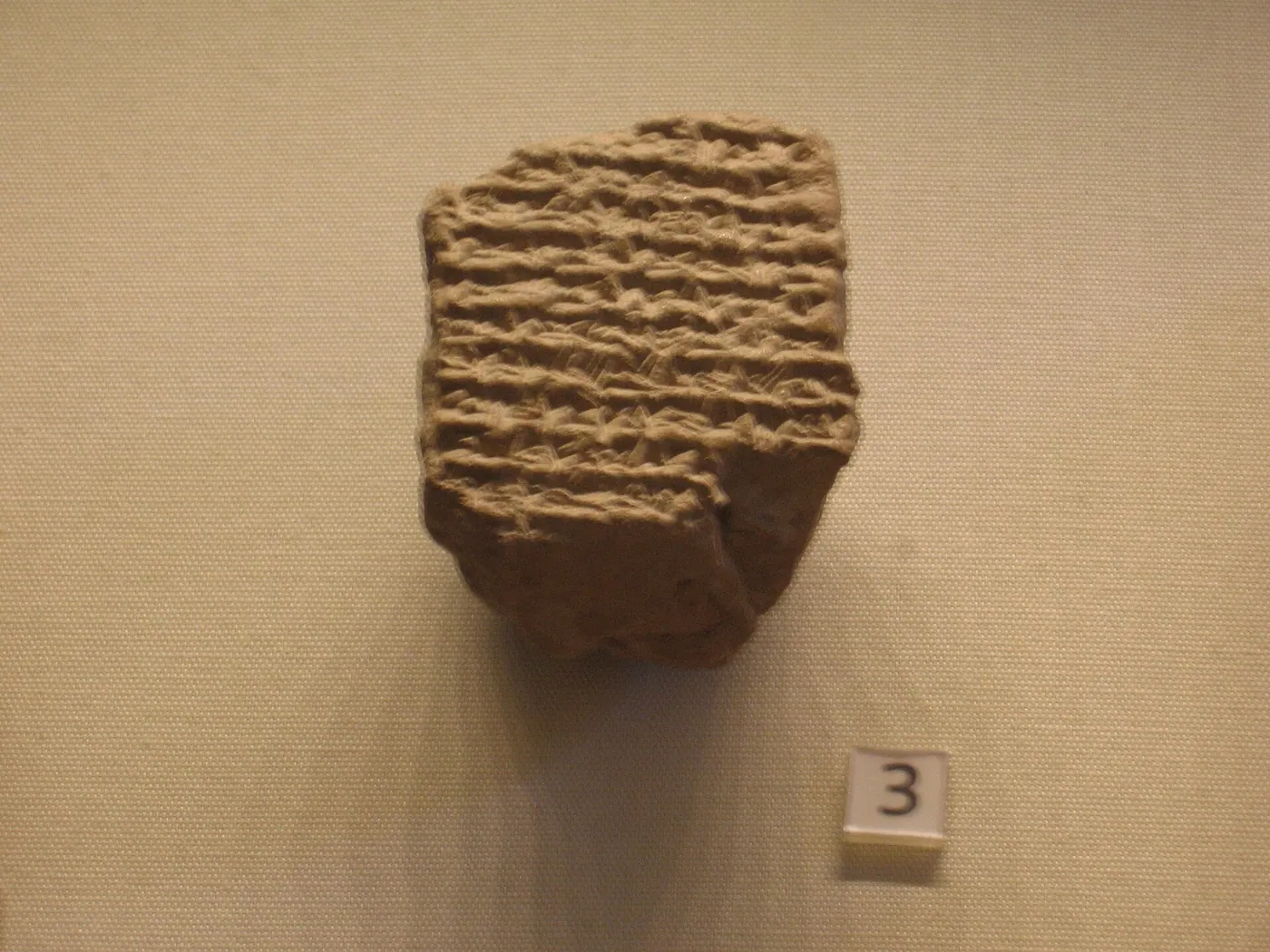
Alexander was born at Pella, the Macedonian capital, in 356 BCE and was taught by Aristotle from the age of thirteen. He became king when his father Philip II was assassinated in 336, and the next year he crushed a revolt at Thebes; Diodorus reports 6,000 killed and 30,000 sold into slavery, and the city was razed. In 334 he crossed into Asia Minor and defeated Persian armies at the Granicus, at Issus and at Gaugamela; at Tyre, taken in 332 after a seven-month siege, about 8,000 Tyrians were killed and 30,000 sold, according to Arrian. Early in 331 he chose a site on the western edge of the Nile delta for Alexandria, the most successful of the many cities he founded or that bore his name. He then burned Persepolis, campaigned through Central Asia and in 326 entered the Indus valley, turning back only when his soldiers refused to go further east. Surveyors who paced the army's routes, Baeton and Diognetus among them, recorded distances later used by Eratosthenes and other geographers. He died at Babylon in June 323, aged 32; the city's Astronomical Diary notes under the 29th of the month that the king died. His generals divided the empire. Ptolemy I took Egypt, and his history of the campaigns became one of Arrian's two main sources.
Connections
Causes1
- AristotleinspiresTaught the young Alexander at Mieza from about 343 BCE
Consequences2
- The Library of AlexandriaenablesHe founded Alexandria in 331 BCE, the city that would house the Library
- Ptolemy I SoterinspiresPtolemy was his bodyguard and general, and took Egypt when the empire was divided
Sources
- Arrian, Anabasis of Alexander (trans. E. J. Chinnock) (1884)
- Plutarch, Lives, vol. VII: Demosthenes and Cicero, Alexander and Caesar (Loeb Classical Library, trans. Bernadotte Perrin) (1919)
- A. B. Bosworth, Conquest and Empire: The Reign of Alexander the Great (1988)
- P. M. Fraser, Cities of Alexander the Great (1996)
Open questionswell attested
- The numbers of people killed and enslaved given in ancient sources may be exaggerated.
- Sources disagree on the exact date of the founding of Alexandria.
- The story that he kept the "casket copy" of the Iliad under his pillow comes from Onesicritus and is anecdotal.
- The number of cities he founded himself is disputed, and the ancient figure of more than seventy is generally thought to be exaggerated.
- Whether he died of illness or of poison was already disputed in antiquity.
Why it matters
Alexander is usually written as a hero; the history of technology and of ideas asks rather what his conquests changed. The war itself mobilised technique: at Tyre the Macedonians built a mole out to the island city and brought up siege towers, and the surveyors' road measurements became raw data for Greek geography. When the empire broke up, the successor kingdoms of the Ptolemies and the Seleucids governed Egypt, Mesopotamia and Asia Minor in Greek, and koine Greek became a language of administration and learning from the Mediterranean to Mesopotamia. The Mouseion of Alexandria and the exchange between Babylonian and Greek astronomy both grew within that frame. The new network of knowledge was made by war. The people of Thebes and Tyre were killed or sold and the palaces of Persepolis burned, and these belong to the same history as the founding of Alexandria.