American marine biologist and science writer (1907–1964). Made her name with The Sea Around Us (1951) and in 1962 published Silent Spring, which used science and literary craft to expose the ecological cost of pesticides, making her a pivotal figure of the modern environmental movement. She completed the book while fighting breast cancer and died in 1964.
In nature nothing exists alone.
—— Rachel Carson, Silent Spring (1962)
History
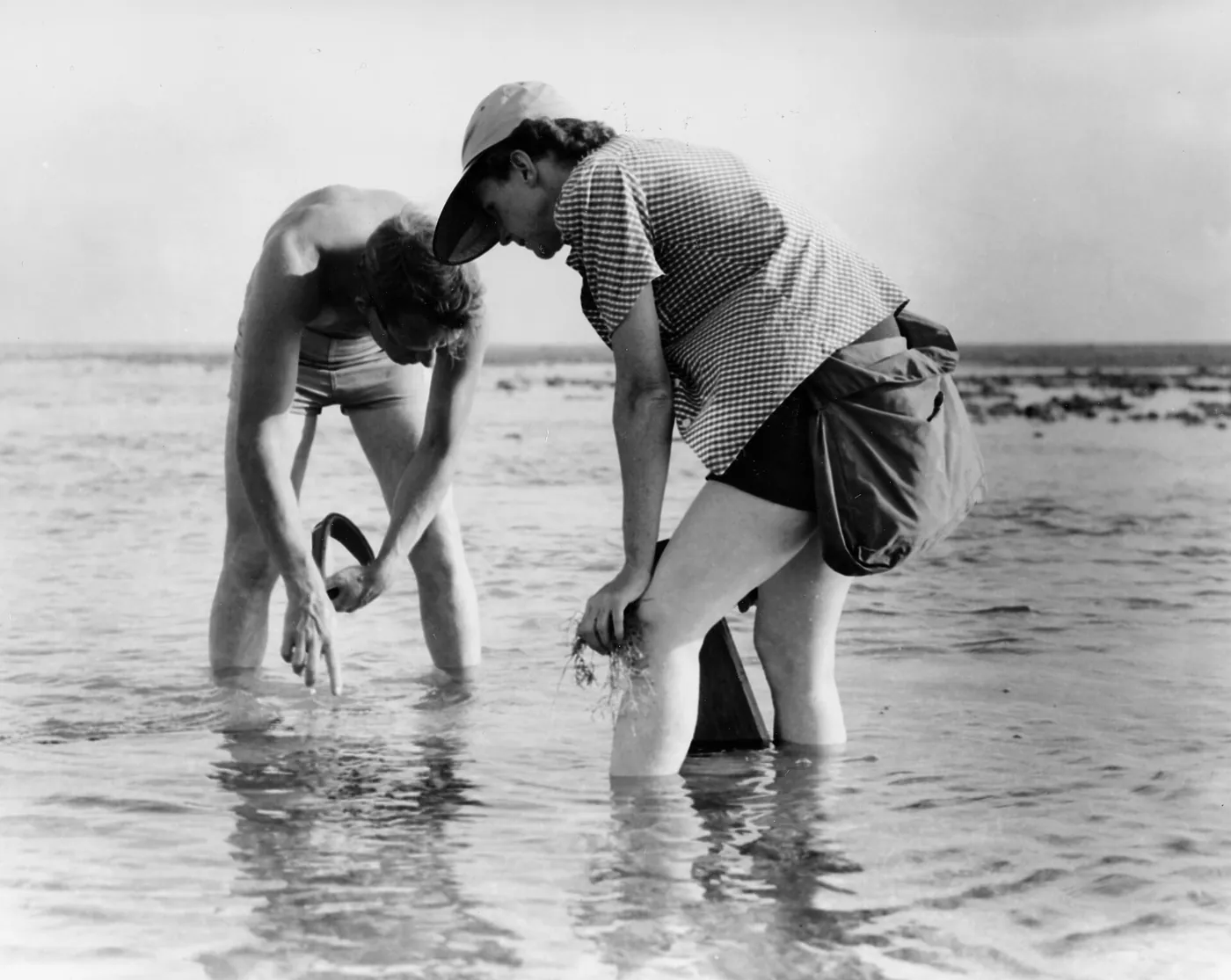
Rachel Carson was born in Pennsylvania in 1907, trained as a marine biologist, and worked for the US Fish and Wildlife Service. She made her name with a sea trilogy, Under the Sea-Wind and The Sea Around Us (1951) among them, writing with both scientific accuracy and the grace of an essayist. In the late 1950s she turned to the abuse of synthetic pesticides, and over several years wrote Silent Spring (1962). By then she had breast cancer, and it was between treatment and pain that she finished the book; ill as she was, she later testified before Congress. Against the chemical industry's siege she calmly marshaled evidence, unmoved by personal attacks. Carson died in 1964, before she could see the movement she had lit bear fruit—the EPA and the DDT ban both came after her.
Connections
Consequences2
- Silent SpringcontributedAuthored by Carson
- The Modern Environmental MovementinspiresShe and her book became symbols of the movement
Sources
- Rachel Carson
- Rachel Carson, The Sea Around Us
Open questionswell attested
- It is established that she was born in 1907 and died of breast cancer in 1964.
- The quotation "In nature nothing exists alone" is from Silent Spring.
Why it matters
Carson's case shows that a person is often a hub rather than a cause: the environmental movement did not happen "because of Carson." Pesticide doubts in the 1950s, the maturing of ecology, and the postwar middle class's anxiety about health had long been gathering—but it was she who drew these scattered undercurrents into a river the public could see. Her ordeal also brings to light a fact often skipped: how a woman expert was besieged by the rhetoric of the "emotional" and the "unobjective," and how she pierced that siege precisely because her scientific credibility was unassailable. To say she caused it all would be wrong; she was the person who, at the right moment, said it clearly.