A social movement and intellectual current that arose in the West in the 1960s–70s and then globalized, centered on the interconnectedness of ecosystems and insisting that the environmental costs of industrial technology be faced. Silent Spring provided its founding image; Earth Day (1970) and the US EPA (1970) were its institutional milestones. Successive technological disasters became sources of its mobilization.
Everything is connected to everything else.
—— Barry Commoner, 'the first law of ecology,' The Closing Circle (1971)
History
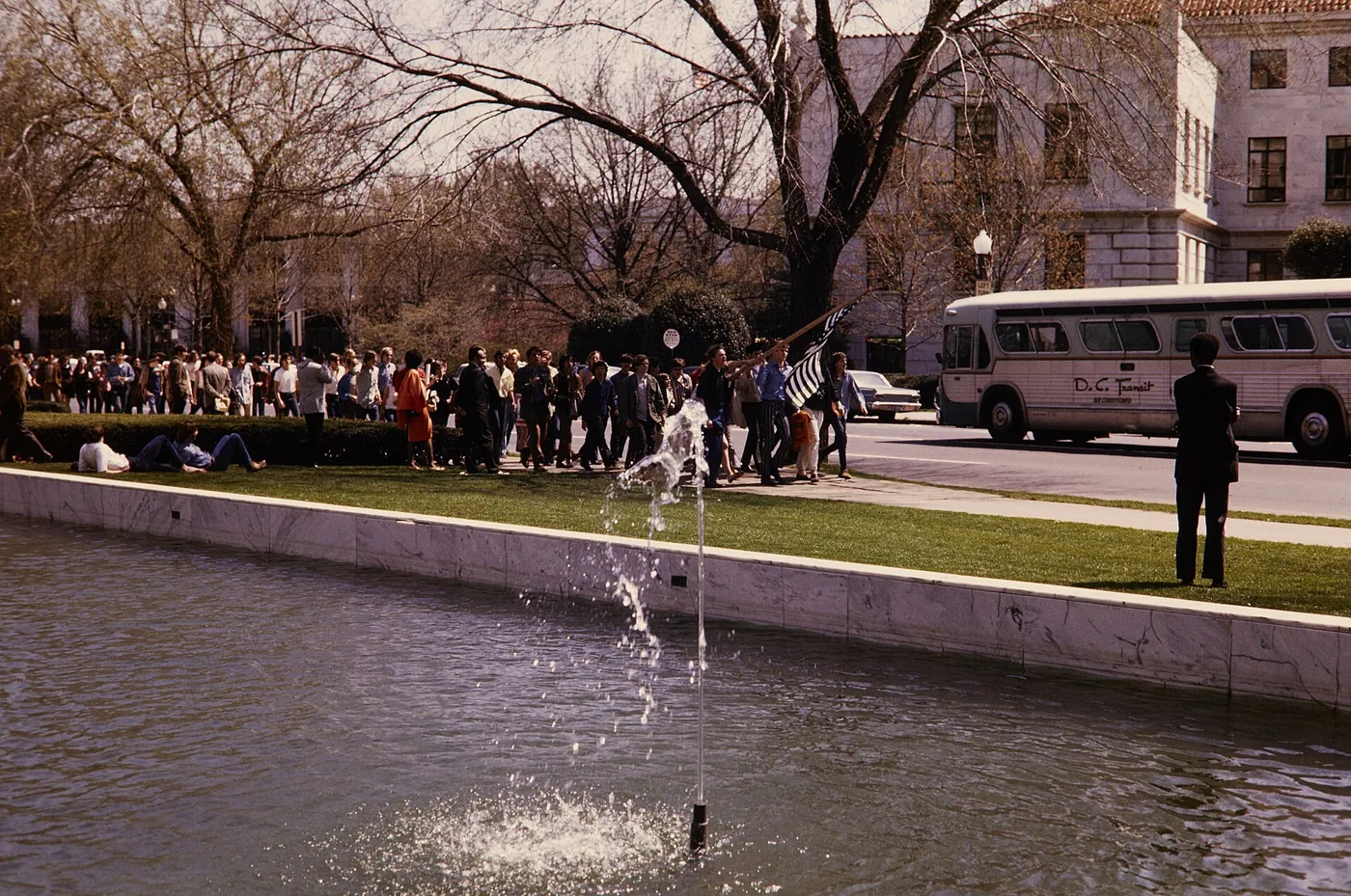
The modern environmental movement took shape in the 1960s West. Silent Spring (1962) gave it its first image; after Rachel Carson, thinkers such as Barry Commoner (who framed "four laws of ecology") pushed the insight of ecosystem interconnection into public life. In 1970 the first Earth Day mobilized some twenty million Americans; the same year the US Environmental Protection Agency was founded. The movement then globalized, from clean-air and clean-water legislation to enduring arguments over nuclear power, chemicals, and climate. It ceased to treat pollution as the occasional lapse of an individual factory and saw it instead as the systemic externality of an industrial-technological pattern—a viewpoint learned, precisely, from the DDT case.
Connections
Causes6
- The DDT Ecological CrisisinspiresThe "silent spring" became the movement's founding image
- Silent SpringinspiresThe founding work of the modern environmental movement
- Rachel CarsoninspiresShe and her book became symbols of the movement
- The Great Smog of London (1952)inspiresThe Great Smog was one of several disasters that fed the environmental movement
- ChernobylinspiresA watershed for anti-nuclear and environmental politics in Europe
- The Ozone HoleinspiresThe exemplary case of environmental governance at global scale
Consequences1
- Pesticide RegulationinspiresThe movement drove pesticide legislation and regulation
Sources
- Barry Commoner, The Closing Circle
- Rachel Carson, Silent Spring
Open questionswell attested
- Earth Day (1970) and the founding of the US Environmental Protection Agency (1970) are confirmed.
- "Everything is connected to everything else" is Commoner's well-known formulation in The Closing Circle (1971).
- The modern environmental movement had several sources and did not stem from Carson's book alone.
Why it matters
The environmental movement gathered the lessons of several technological disasters: the DDT ecological crisis, the Great Smog of London, and later nuclear accidents and the climate crisis all fed it in different measure. Treating correction and protest as an independent force of ideas, rather than as an appendage of catastrophe, is what makes the causal link between cost and response visible. Yet Whiggish complacency must be avoided: the movement was never monolithic (conservation vs. environmental justice, growth vs. degrowth), and its achievements and costs, such as the distributive consequences of certain regulations, remain debated. It is an important hub, not the moral end of history.