The institutional response provoked by the ecological crisis of DDT and other pesticides. In 1972 the US EPA cancelled most uses of DDT; in 2001 the Stockholm Convention placed DDT and other persistent organic pollutants under global control, keeping only a public-health exemption for disease-vector control. Here the cost of a technology, once seen, was turned into rules that in turn constrained the technology itself.
…the objective of this Convention is to protect human health and the environment from persistent organic pollutants.
—— Stockholm Convention on Persistent Organic Pollutants (2001), Article 1 (Objective)
History
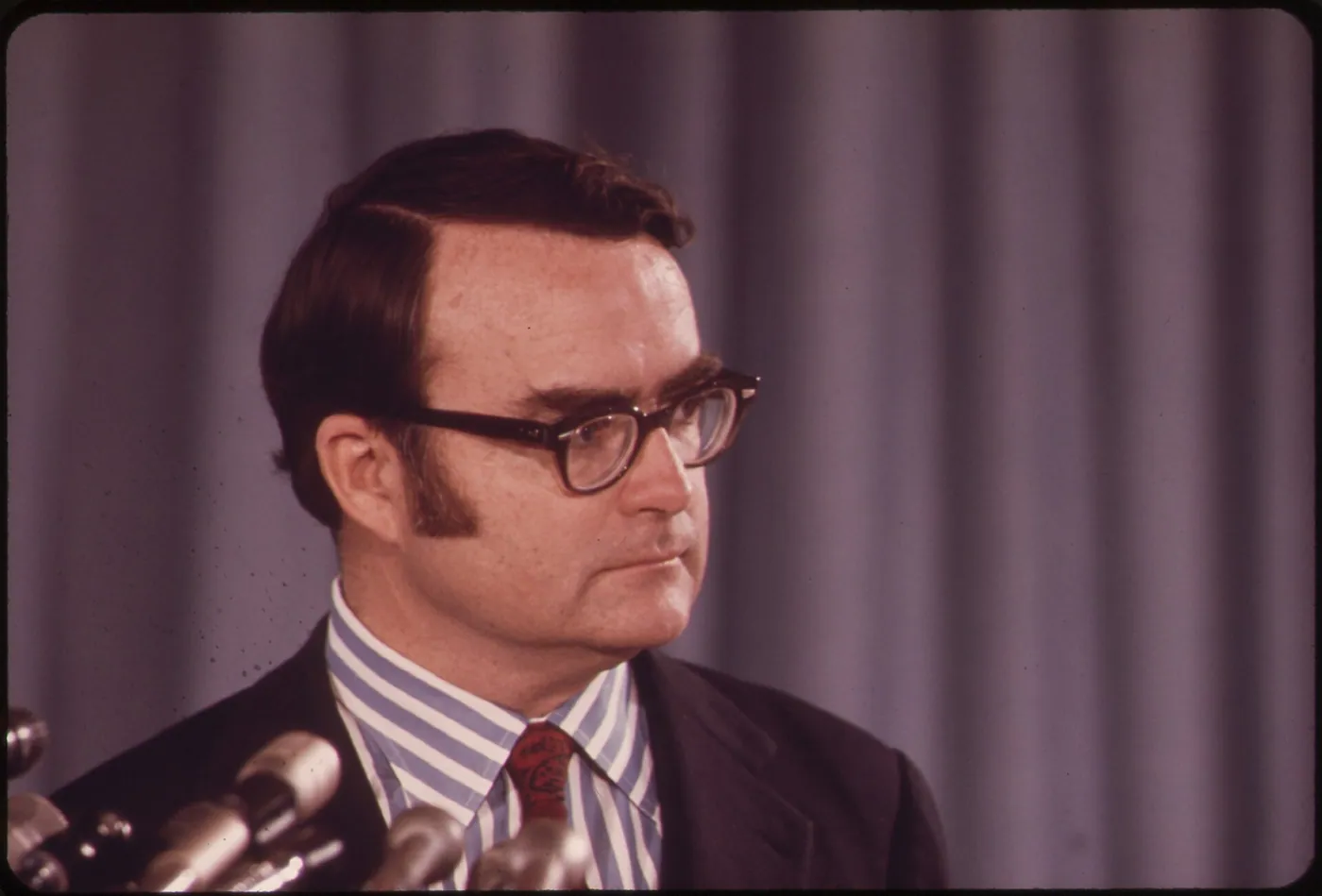
The regulation of DDT marks the point at which the response to a technology's costs became institutional. In 1972, after long hearings, the US EPA administrator William Ruckelshaus cancelled most uses of DDT—one of the young agency's most emblematic rulings. Over the following decades regulation moved from one nation to the globe: in 2001 the Stockholm Convention on Persistent Organic Pollutants was adopted (in force 2004), bringing DDT and other persistent organic pollutants into a global reduction framework. Yet the Convention did not ban DDT outright: since in high-malaria regions lacking safe, effective, and affordable alternatives it remained an important means of vector control, it kept a specific public-health exemption under World Health Organization guidance. Regulation, then, is not a single clean cut but a continuing negotiation, repeatedly weighing ecological risk against disease burden.
Connections
Causes2
- Silent SpringinspiresIndirectly spurred the EPA and the DDT ban
- The Modern Environmental MovementinspiresThe movement drove pesticide legislation and regulation
Consequences1
- DDTregulatesRegulation restricted and finally ended DDT's agricultural use
Sources
- Stockholm Convention on Persistent Organic Pollutants (2001)
- US EPA, DDT - A Brief History and Status
Open questionswell attested
- The 1972 US ban and the 2001 Stockholm Convention (including its exemption for malaria vector control) are confirmed.
- The statement of the Convention's objective is an interpretive paraphrase, and its alignment with the original wording awaits a final check.
- The trade-off between health and the environment in regulating DDT remains a matter of policy debate.
Why it matters
The DDT story shows as well as any why the costs of a technology belong in its history alongside its achievements: the spread of DDT, the ecological crisis, Silent Spring, the environmental movement, and finally regulation form five links joined end to end in a complete chain of feedback, not a straight line of "progress." Nor does the story have too neat an ending: the Convention's malaria exemption shows that "correction" itself carries new trade-offs—too strict and malaria kills, too loose and ecosystems suffer. The lesson is not simply that DDT was finally banned, but that any powerful technology needs an equally fine, continually revisable set of constraints.