Rachel Carson's 1962 book (first serialized in The New Yorker), which used literary craft and scientific evidence to expose the ecological and health costs of synthetic pesticides, above all DDT. Fiercely attacked by the chemical industry yet igniting public awareness, it is regarded as the founding work of the modern environmental movement and indirectly spurred the creation of the US EPA (1970) and the DDT ban (1972).
The 'control of nature' is a phrase conceived in arrogance, born of the Neanderthal age of biology and philosophy, when it was supposed that nature exists for the convenience of man.
—— Rachel Carson, Silent Spring (1962)
History
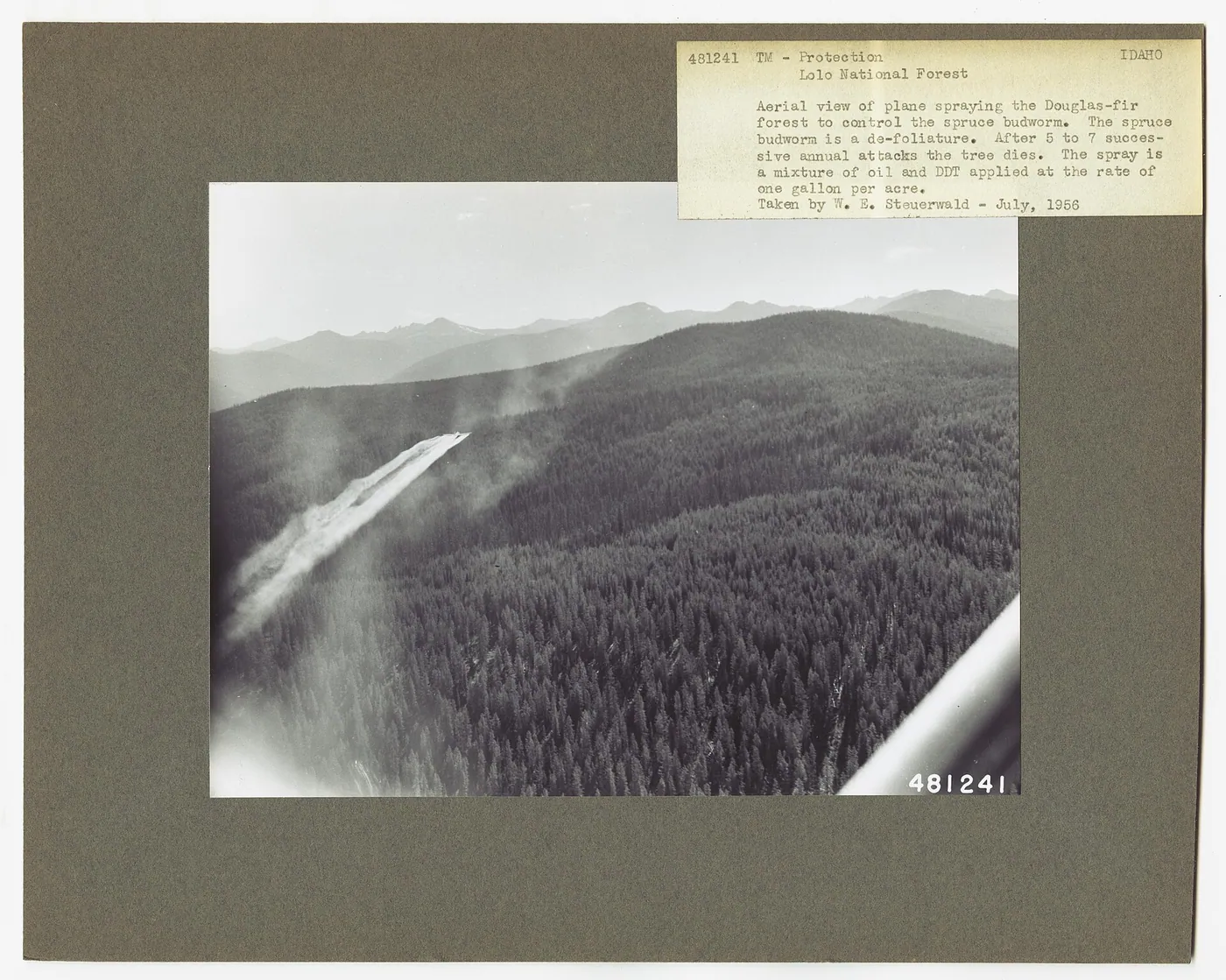
In 1962 the marine biologist Rachel Carson published Silent Spring, first serialized in three parts in The New Yorker. It opens with "A Fable for Tomorrow" (an American town fallen silent, its birds gone, from pesticides), then marshals solid scientific evidence for how synthetic pesticides such as DDT biomagnify up food chains and endanger wildlife and human health. The chemical industry reacted with fury, attacking Carson personally and mocking her book as a call to return to "the Dark Ages," questioning the standing of a woman scientist. But the public was persuaded: the book stirred unprecedented environmental awareness, was received as the clarion of the modern environmental movement, and fed the current that led to the founding of the US EPA (1970) and the agricultural ban on DDT (1972).
Connections
Causes2
- The DDT Ecological CrisisinspiresThe crisis entered public view through Carson's book
- Rachel CarsoncontributedAuthored by Carson
Consequences2
- The Modern Environmental MovementinspiresThe founding work of the modern environmental movement
- Pesticide RegulationinspiresIndirectly spurred the EPA and the DDT ban
Sources
- Rachel Carson, Silent Spring
- Silent Spring
Open questionswell attested
- The epigraph is a well-known line by Carson that also appears in her 1962 speech at Scripps College.
- Publication in 1962, serialization in The New Yorker, the founding of the EPA in 1970 and the DDT ban of 1972 are all confirmed.
Why it matters
The power of Silent Spring lay not in new data but in an act of translation of scale: it rendered the molecules of the toxicology journals into an ordinary person's morning of opening the door to no birdsong. This is a rarely-stated link in the history of scientific ideas—for an insight to change the world, it must often first be "rewritten" into a form the public can feel. Carson paid for it: she was derided as emotional and insufficiently "objective," and that rhetoric of disciplining dissent (especially women experts) with "objectivity" deserves a level historical gaze of its own. The book is not beyond criticism: later readers still debate the rigor of some of its health claims and the collateral consequences of a DDT ban for malaria control. But its historical place is unmistakable: modern environmental consciousness found its public beginning here.